
Debunking Myths About Eco-Friendly Homes in the Gower Area


Understanding Eco-Friendly Homes
Eco-friendly homes are becoming increasingly popular, especially in areas like the Gower. However, there are numerous myths surrounding these green abodes that can deter potential homeowners. Let's explore and debunk some of these misconceptions to better understand the real benefits of sustainable living.

Myth 1: Eco-Friendly Homes Are Too Expensive
One of the most pervasive myths is that eco-friendly homes are prohibitively expensive. While initial costs can be higher, the long-term savings on energy and water bills often offset the upfront investment. Additionally, government incentives and tax breaks can further reduce overall costs.
Myth 2: Limited Design Options
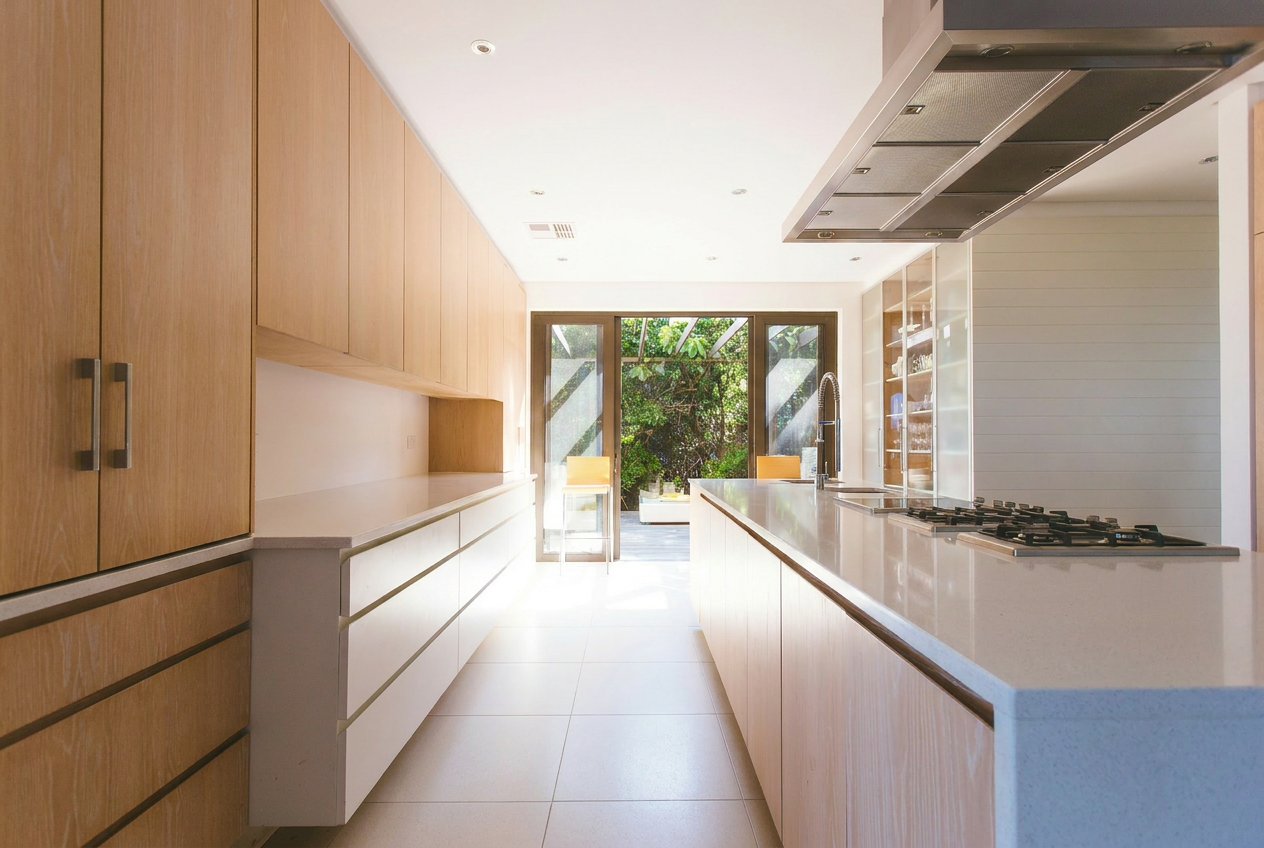
Some believe that sustainable homes are limited in design and aesthetics, but this couldn't be further from the truth. Eco-friendly homes can incorporate a wide range of styles, from modern minimalism to traditional charm. The use of sustainable materials does not limit creativity; instead, it often enhances it.

Benefits of Eco-Friendly Homes
Living in an eco-friendly home offers numerous benefits beyond financial savings. These homes promote healthier living environments by using non-toxic materials and improving air quality. They also minimize carbon footprints, making them an excellent choice for environmentally conscious individuals.
Myth 3: Difficult Maintenance
Another common myth is that eco-friendly homes are difficult to maintain. In reality, these homes are designed to be low maintenance. Features such as energy-efficient appliances and durable materials reduce the need for frequent repairs and upkeep, saving homeowners time and money.
Myth 4: Not Suitable for All Climates
Some skeptics argue that eco-friendly homes are not viable in all climates, but this is a misconception. Sustainable building practices can be adapted to any environment. For instance, homes in the Gower can utilize solar panels and rainwater harvesting systems effectively, even in varied weather conditions.
Conclusion
Debunking these myths is crucial for promoting the adoption of eco-friendly homes in the Gower area. As awareness grows, more people can enjoy the numerous benefits these homes offer, contributing to a healthier planet and a sustainable future.